
"coffee overproduction"
300 article(s) found

Types of Brazilian coffee
Brazilian coffee generally refers to coffee produced in Brazil. There are many kinds of coffee in Brazil, and like other Arabica coffee, Brazilian coffee is called "Brazils" to distinguish it from "Milds" coffee.

Description of taste and flavor of Brazilian coffee A brief introduction to the producing areas of varieties by the method of baking degree treatment
Brazil has many large farms that operate endless coffee plantations. They use machines to harvest and dry them. They are very efficient in automation. They treat coffee as a general agricultural material, abandoning flavor and ignoring it completely. As a result, many select coffee companies simply do not sell Brazilian beans to avoid

Brazilian Coffee Flavor Description Grind Scale Production Region Variety Treatment Taste Introduction
Unlike in the past, Brazil's economy is now less dependent on coffee, which accounts for only 8 - 10% of GDP. Before World War II, Brazil accounted for 50 percent or more of the world's coffee production, and now it's close to 30 percent, but the country's influence on coffee worldwide, especially on coffee prices, has been significant, as two frosts in 1994 caused global coffee prices to rise.

Does Brazil have 17 states that produce coffee?
Brazil is vividly compared to the giant and monarch of the coffee world. There are about 3.97 billion coffee trees there, and small farmers now grow 75% of the country's coffee. The number of coffee producers in Brazil is twice or even three times that of Colombia, the second largest coffee producer in the world. Unlike in the past, Brazil's economy is less dependent on coffee.

Brazil Huang Boben single coffee bean price flavor description brand characteristics taste introduction
The price of Brazilian coffee beans introduces Brazilian coffee, which generally refers to coffee produced in Brazil. There are many kinds of coffee in Brazil. Like other Arabica coffee, Brazilian coffee is called Brazils to distinguish it from Milds coffee. The vast majority of Brazilian coffee is unwashed and sun-dried and is classified according to the name of the state of origin and port of transport. Brazil has 21 states and 17 states produce coffee, but its
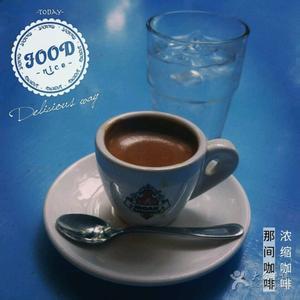
Description of Flavor of Fine Brazilian Coffee beans introduction of Grinding scale in Manor Taste production area
Fine Brazilian coffee bean flavor description manor taste area grinding scale introduction since coffee trees were introduced from French Guiana (Guyana) in 1720, coffee production has gradually become a science. Before 1990, the Brazilian government carried out strict monitoring of the coffee industry, with both strict intervention and price protection measures, and the state has been implementing minimum price protection measures for farmers.
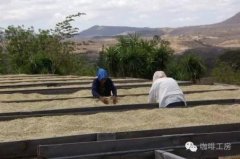
A brief introduction to the cultivation of Yellow Bourbon Coffee in the Fine Coffee Manor of Brazil
Unlike in the past, Brazil's economy is now less dependent on coffee, which accounts for only 8% to 10% of GDP. Before World War II, Brazil accounted for 50% or more of the world's coffee production, and now it is close to 30%. But the country's impact on the world's coffee, especially on coffee prices, is significant. For example, two frost disasters in 1994 caused global coffee.

Brazilian Coffee Flavor description Variety characteristics introduction to the taste grindability of fine coffee beans
Old bourbon coffee is grown on some estates in the Serrado district of Minas Greais state in southeastern Brazil. Old varieties of bourbon coffee grown on these estates, such as Capin Branco and Vista Allegre, are also sold on the market. Although they come from the same area, there are different kinds of coffee.
International Coffee Organization-1
In the 19th century, coffee became an important commodity in the international trade market. For a long time after that, the coffee market was often in a state of oversupply, low prices, and occasional price increases in short supply, but for a short period of time. During the economic crisis of the 1930s and during World War II (1939-1945), the coffee market supply

Grinding scale Flavor description of Brazilian Coffee beans introduction to the taste manor
Unlike in the past, Brazil's economy is now less dependent on coffee, which accounts for only 8% to 10% of GDP. Before World War II, Brazil accounted for 50% or more of the world's coffee production, and now it is close to 30%. But the country's impact on the world's coffee, especially on coffee prices, is significant. For example, two frost disasters in 1994 caused global coffee.
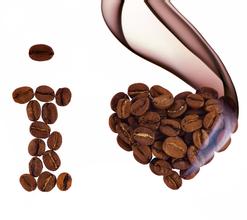
Brazilian Minas Coffee Bean Flavor Description Grind Scale Variety Treatment Taste Introduction
Coffee was first introduced to Brazil in the early 18th century. In 1727, the Brazilian government sent a handsome army officer to smuggle coffee seeds back to Brazil from French Guiana on the pretext of mediating a border dispute. It is said that the wife of the governor of French Guiana was deeply fascinated by the officer and sent them to Brazil.

Introduction of Brazilian Yellow bourbon Coffee Bean Flavor description Grinding scale treatment Manor
Brazil Yellow bourbon Coffee Bean Flavor description Grinding scale treatment Manor Brazil is vividly compared to the giant and monarch of the coffee world. There are about 3.97 billion coffee trees there, and small farmers now grow 75% of Brazil's total coffee production. Brazil produces twice or even three times as many coffee as Colombia, which is the second largest coffee in the world.

Characteristics of Brazilian coffee beans is Brazilian coffee beans the most productive country in the world?
Professional coffee knowledge exchange more coffee bean information please follow the coffee workshop (Wechat official account cafe_style)

Description of the Flavor of Brazilian Red bourbon Coffee introduction to the producing area of Grinding scale
The flavor description of Brazilian red bourbon coffee the taste of grinding scale varieties are introduced in Brazil, and the largest output is Robart coffee. This kind of coffee is sold in the supermarket. Brazil's Robucht coffee, sold under the name Conillon, accounts for 15 per cent of total production. In some estates in the Serrado district of Minas Greais state in southeastern Brazil

How about Brazilian coffee? what are the top ten brands of Brazilian coffee?
Professional coffee knowledge exchange more coffee bean information please follow the coffee workshop (Wechat official account cafe_style) West coffee history Brazil is vividly likened to the giant and monarch of the coffee world. There are about 3.97 billion coffee trees there, and small farmers now grow 75% of the country's coffee. Twice as many people are engaged in the production of caffeine in Brazil as in Colombia or even in Colombia.

Brazilian Coffee Plantation Area Grinding Scale Processing Flavor Description Variety Introduction
Brazil has many large farms, operating endless coffee gardens, they use machine harvesting, and the use of machine drying, automated efficiency is very high, as if coffee as a general agricultural material, completely abandoned flavor and disregard. As a result, many specialty coffee companies simply do not sell Brazilian beans, lest they demean themselves

Brazilian coffee roasting degree Milas Gerais
Brazil, a low-acidity, moderately roasted coffee bean from the World Coffee Center, is vividly compared to the giant and monarch of the coffee world. There are about 3.97 billion coffee trees there, and small farmers now grow 75% of the country's coffee. The number of coffee producers in Brazil is twice or even three times that of Colombia, the second largest coffee producer in the world.
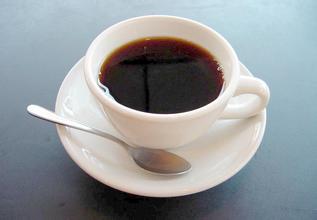
Low acidity Brazilian coffee flavor manor area introduces Brazilian boutique coffee beans
Old bourbon coffee is grown on some estates in the Serrado district of Minas Greais state in southeastern Brazil. Old varieties of bourbon coffee grown on these estates, such as Capin Branco and Vista Allegre, are also sold on the market. Although they come from the same area, there are different kinds of coffee.

The characteristics of Yellow bourbon Coffee beans in the soft-scented Brazilian Queen Manor Brand Syrador Flavor description Jane
Brazil is vividly compared to the giant and monarch of the coffee world. There are about 3.97 billion coffee trees there, and small farmers now grow 75% of Brazil's total coffee production. The number of coffee producers in Brazil is twice or even three times that of Colombia, the second largest coffee producer in the world. Other kinds of Brazilian coffee, such as Rio, Parana, etc. are not needed.

Introduction of Brazilian Coffee Brand characteristics, Flavor description, Price, taste and Fine Coffee
Other kinds of Brazilian coffee, such as Rio and Parana, can be produced in large quantities because they do not need too much care. Although they taste rough, they can be regarded as a kind of good and cheap coffee. Because they are distributed all over Brazil and their solid quality varies, they have their own standards (NO.2~NO.8 according to the number of sundries, NO.13~NO.19 according to the size of beans, and six according to taste).